
Key takeaways (firewood not burning / how to keep wood burning)
Why is my firewood not burning?
Wet or damp wood
Moisture is the antithesis of fire. If your wood is damp, it’s the most likely reason you’re having trouble starting a fire. Also, besides being harder—if not impossible—to ignite, damp wood (even if it’s just slightly moist) creates more smoke, and it may be the root cause of why your firewood is charring not burning. It’s also a lot more wasteful, as unseasoned ‘green’ wood rarely burns all the way through. This is one of the most common reasons why won’t my logs catch fire becomes a problem for homeowners.
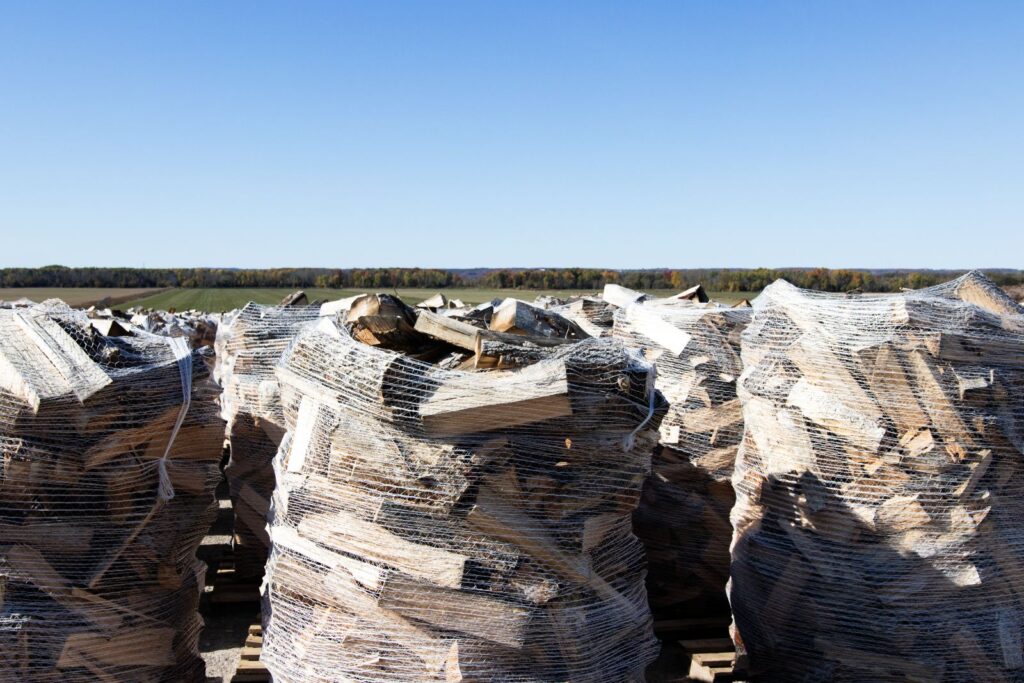
It’s also important to emphasize that the level of moisture that’s optimal for burning is extremely low—lower than what you generally get in the woods. This is why firewood businesses ‘season’ their wood.
The term ‘seasoning’ refers to the drying process undergone to remove all moisture from firewood. It takes a minimum of 6 months in well-ventilated, dry storage, and it’s 100% necessary to get reliable wood if you want how to get wood to catch fire to be effortless.
How to Make Firewood Last Longer
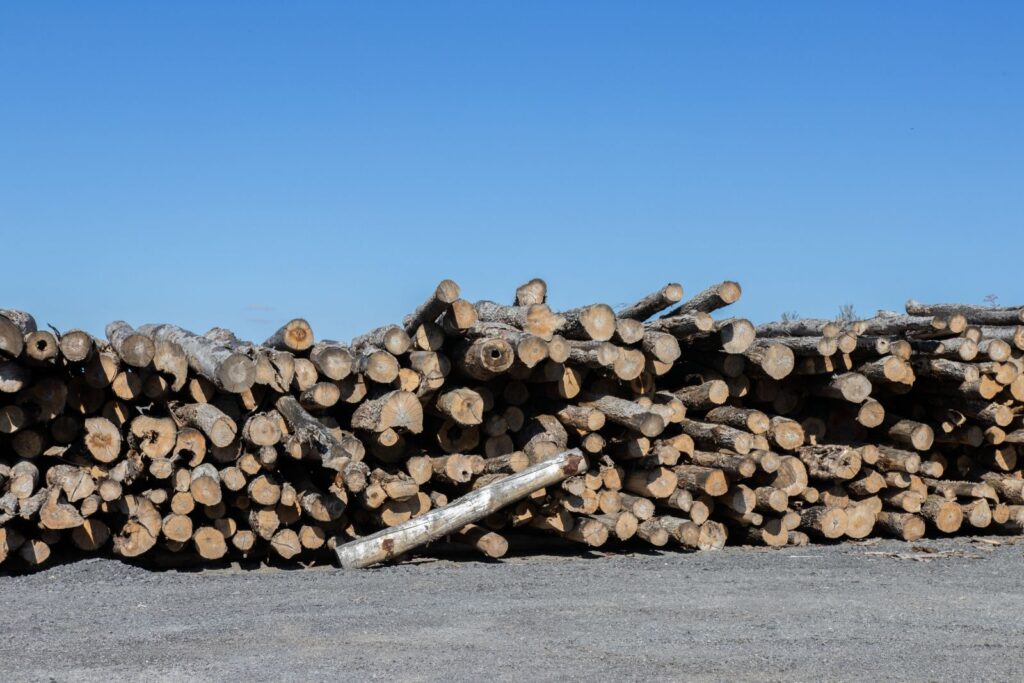
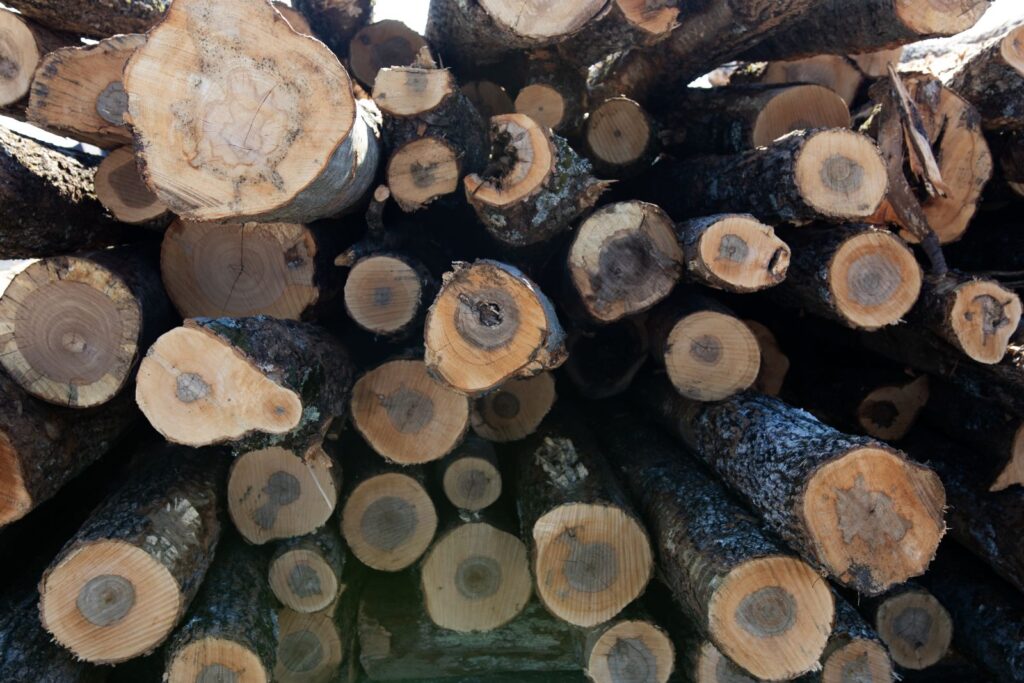
Assuming you do have totally dry wood, the next step to making sure you have optimal firewood for your next fire is to find a good storage place. Otherwise, you may still end up asking why won’t my wood burn even if it was seasoned when purchased.
It’s important to pick a similar environment to the one the wood was seasoned in, i.e., a place that is dry, has good air circulation (elevation helps a lot), and has cover so the wood won’t be exposed to rain or snow. Proper storage can dramatically improve how long the fire burns and help you avoid issues where wood won’t catch fire due to ambient moisture.
How to Store Firewood
Now that we’ve covered all the basics, here’s a step-by-step guide to getting a roaring fire started so you’re never left wondering why won’t my wood burn or how to keep firewood burning.
Choosing The Right Wood For Your Fire
Getting a strong, long-lasting fire often comes down to what wood you’re using. A denser wood is going to burn longer and stronger, while a softer wood is going to fizzle out quicker. So, if you’re wondering how to make firewood last longer, it starts with choosing a good hardwood. Softwoods still have their place, specifically as kindling.
Hardwoods are also the most versatile, being preferred for cooking and smoking food and heating a home. Maple, apple, and hickory, all hardwoods, are common flavourful woods preferred for smoking, while oak is the best choice for heating an entire home. Using quality hardwoods can help you avoid the classic frustration of firewood not burning even when it appears dry.
Hardwoods to consider
Softwoods good for kindling
So, What to do When Your Wood is Not Catching Fire?
You now have all the knowledge you need to successfully build a fire for any occasion, whether indoors or outdoors. And remember, it all starts with your choice in seasoned firewood — without it, you may still wonder why is my wood not catching fire no matter how carefully you build your setup.
Fairwood Firewood Ltd. is 100% Canadian-owned and -operated, sourcing our wood locally from Muskoka and Bancroft forests. We’re here for all your firewood needs and ready to deliver at your convenience. Click this link to start shopping for firewood, or feel free to contact us by phone at 905-478-9090 or by email at sales@fairwoodfirewood.ca.